ANEURYSM
ANEURYSM CARE
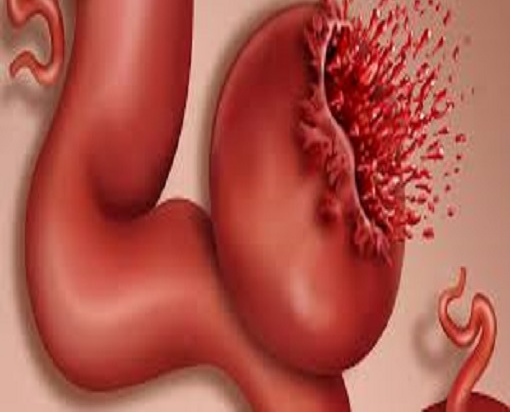
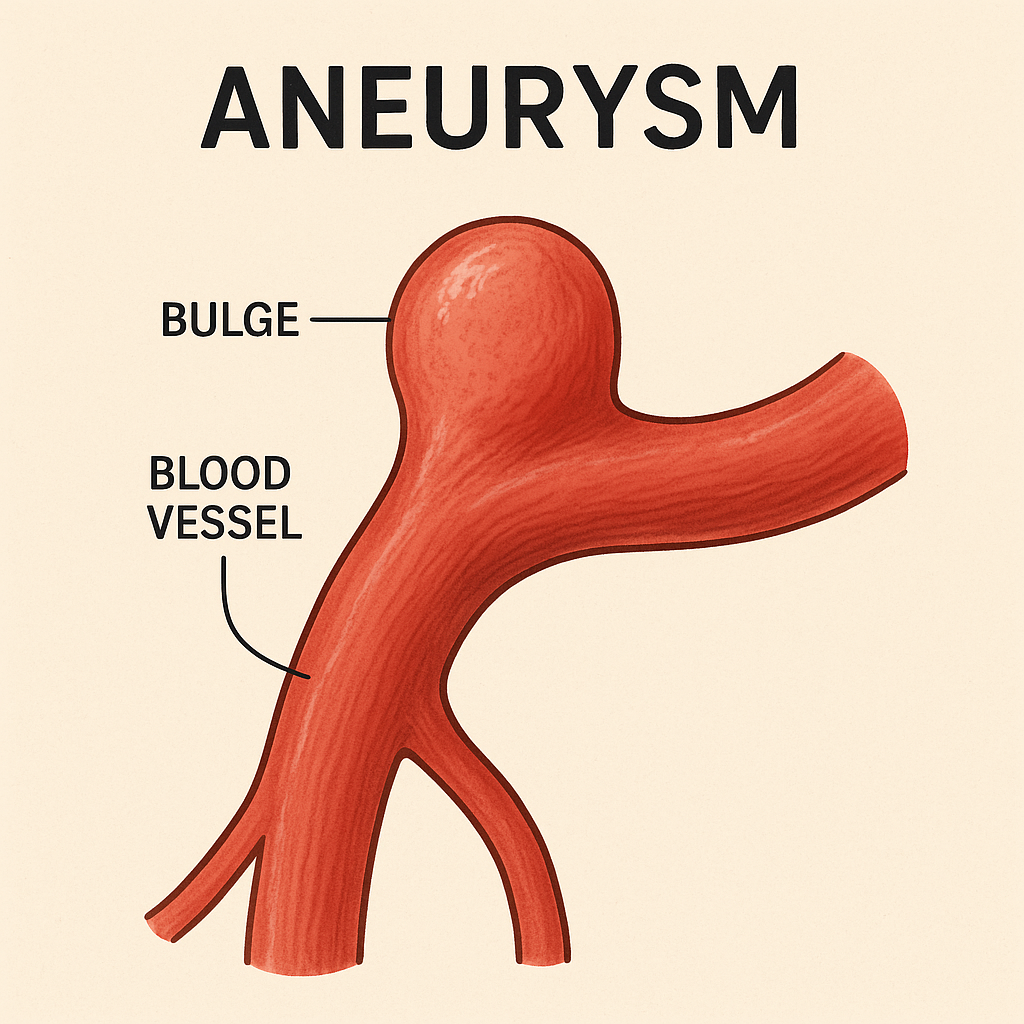
An aneurysm is a weakened, fusiform (bulge on all sides).
bulging area in a blood vessel, resembling a balloon.
It can occur in any blood vessel, but is more
common in arteries, particularly in the brain
(cerebral aneurysm) and the aorta. Aneurysms can be
saccular (one-sided bulge) or
fusiform (bulge on all sides).
Many aneurysms are asymptomatic until they rupture. Ruptured aneurysms can cause severe symptoms, including sudden, intense headaches, nausea, and vomiting.

 Contact Number: +91 9005614005